

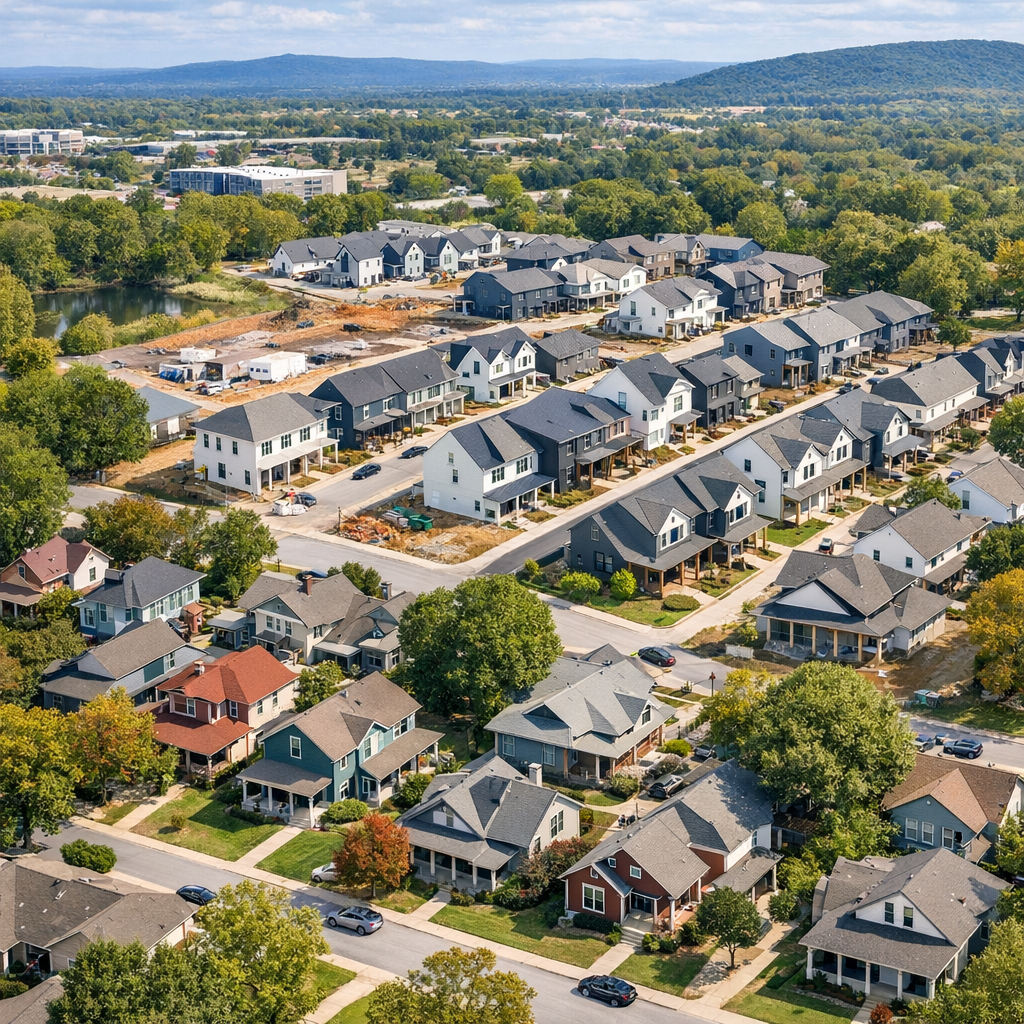
Fayetteville’s housing market is experiencing notable shifts, reflecting broader economic trends and local developments. Understanding these changes is crucial for residents, prospective homebuyers, and renters alike.
Current Market Trends
As of March 2026, the median sale price for homes in Fayetteville stands at $371,000, marking a 3.1% decrease from the previous year. Homes are typically on the market for 33 days, slightly longer than the 29-day average observed last year. The number of homes sold in March increased to 119 from 116 in the same month last year, indicating steady demand despite the price dip.
Rental Landscape
The rental market in Fayetteville remains active, with the average rent at $1,711 as of March 2026. This figure represents a 2.6% increase over the past year, suggesting sustained demand for rental properties. Notably, Fayetteville’s average rent is below the national average of $1,910, making it an attractive option for renters seeking affordability.
New Developments
Several new housing developments are underway, aiming to meet the growing demand for diverse housing options. One such project is Gulley Grove, located adjacent to Gulley Park. This development features 51 homes ranging from 1,460 to 2,700 square feet, emphasizing community living with shared spaces and full-service yard maintenance.
Additionally, a significant student housing project, Verve Fayetteville, is set to open in August 2027. This $97 million development will offer 272 units across 532,300 square feet, addressing the housing needs of the University of Arkansas’s expanding student population.
Community Initiatives
In response to rising housing costs and affordability challenges, local organizations are taking proactive steps. Groundwork, the housing initiative of the Northwest Arkansas Council, is expanding its efforts statewide to influence housing policy. Their focus includes promoting modular homes and utilizing land bank properties for community development, aiming to make housing more attainable for residents.
Furthermore, the Fayetteville City Council is considering contracts with the 7hills Homeless Center to support day center operations and repair residential facilities. These initiatives reflect a community-wide commitment to addressing housing challenges and supporting vulnerable populations.
Looking Ahead
As Fayetteville continues to grow, the housing market is expected to evolve in response to economic factors and community needs. Staying informed about market trends, new developments, and policy initiatives will be essential for residents navigating the real estate landscape.
Whether you’re considering buying a home, seeking rental options, or interested in community development, understanding Fayetteville’s housing dynamics will empower you to make informed decisions in this changing market.