

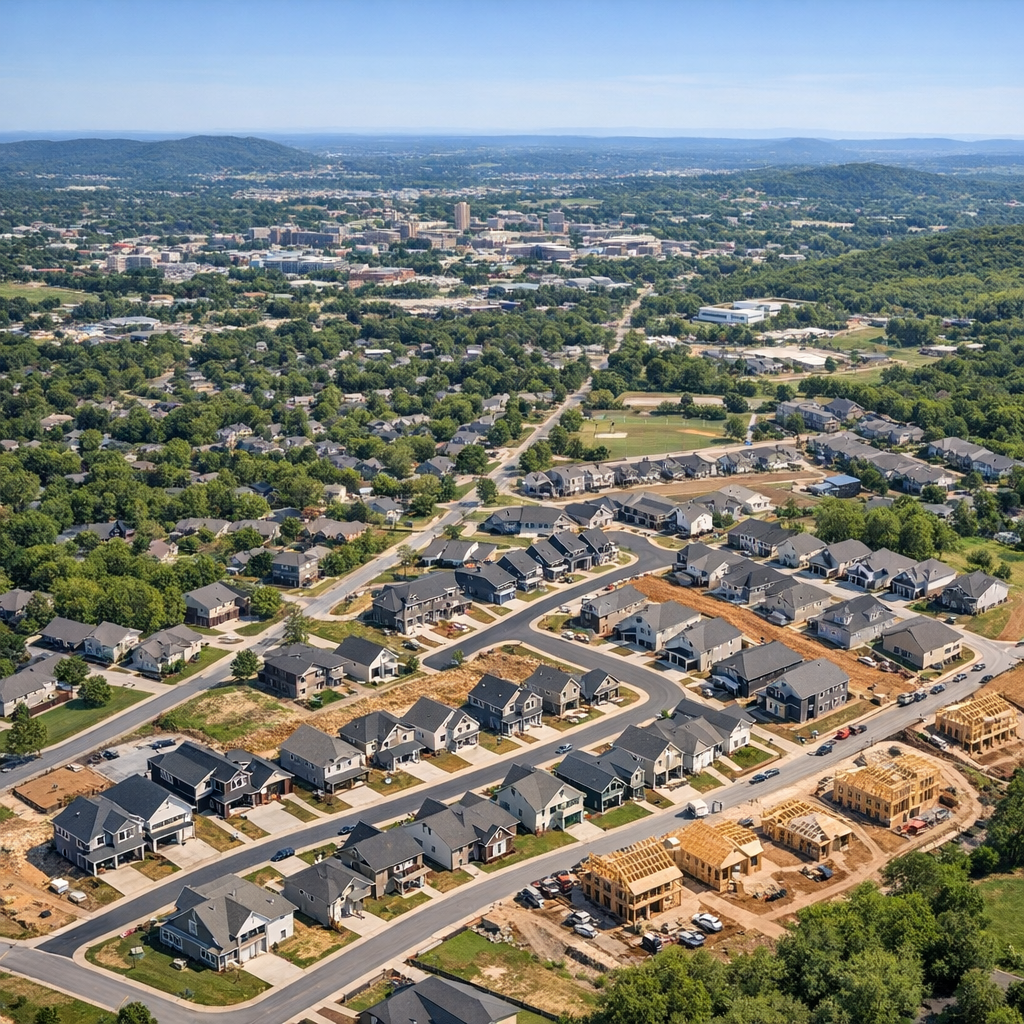
Fayetteville, Arkansas, has experienced significant growth in recent years, attracting new residents and businesses alike. This expansion, while beneficial in many aspects, has also led to pressing housing challenges that the city is actively working to address.
Rapid Growth and Housing Demand
As the second-largest and one of the fastest-growing cities in Arkansas, Fayetteville’s population has been increasing by approximately 4,000 people annually. This surge has outpaced the development of new housing units, resulting in low vacancy rates and rising housing costs. To meet the projected population growth, the city estimates that over 1,000 additional housing units are needed each year.
City Initiatives and Task Forces
In response to these challenges, the City of Fayetteville has undertaken several initiatives. The Mayor’s Housing Crisis Task Force was established to recommend strategies for increasing housing supply and addressing housing insecurity. This collaborative effort focused on understanding the city’s housing issues and proposing community-driven solutions. The task force concluded its work after a year, providing valuable insights and recommendations for future actions.
Student Housing and Community Impact
The presence of the University of Arkansas, with an enrollment exceeding 34,000 students as of Fall 2025, adds another layer to the housing landscape. Student housing remains a critical component of the broader housing conversation. Mayor Molly Rawn emphasized the importance of balancing growth with livability, stating that the city has updated its approach to large student housing developments by requiring special permits to better align growth with community needs.
Looking Ahead
Fayetteville’s commitment to addressing its housing challenges is evident through its proactive measures and community engagement. By implementing long-range plans, investing in infrastructure, and collaborating with non-profit organizations, the city aims to create a sustainable and inclusive housing environment for all residents.