

Hi, I’m Emma Baker bringing you a look at key global developments — stories that reverberate across borders, and why they matter even here in Fayetteville.
Climate and Migration: A Rising Tide of Movement
New research and reports show that climate change is no longer a distant threat — it’s already altering migration patterns. Violent storms, sea-level rise, droughts and extreme weather are pushing people either across regions or across borders. Often affected most are those with fewer resources, especially in areas already vulnerable. Long-term strategies need to connect climate action, disaster preparedness, social protection and migration policies. These shifts raise questions for cities everywhere: how to adapt public services, housing, and resources when migration increases.
Food Insecurity Persists Despite Broader Progress
World Hunger is easing in some parts, but fissures remain — especially in Africa. Rising food prices, climate shocks and ongoing conflict are making healthy diets unaffordable for large populations. Some regions are at severe risk, with millions facing acute food insecurity. The global challenge isn’t just producing enough food, it’s making sure everyone can access it. For communities like ours, this underscores the interconnectedness of global supply chains — from fertilizer prices to grain trade — that ultimately touch our grocery stores and livelihoods.
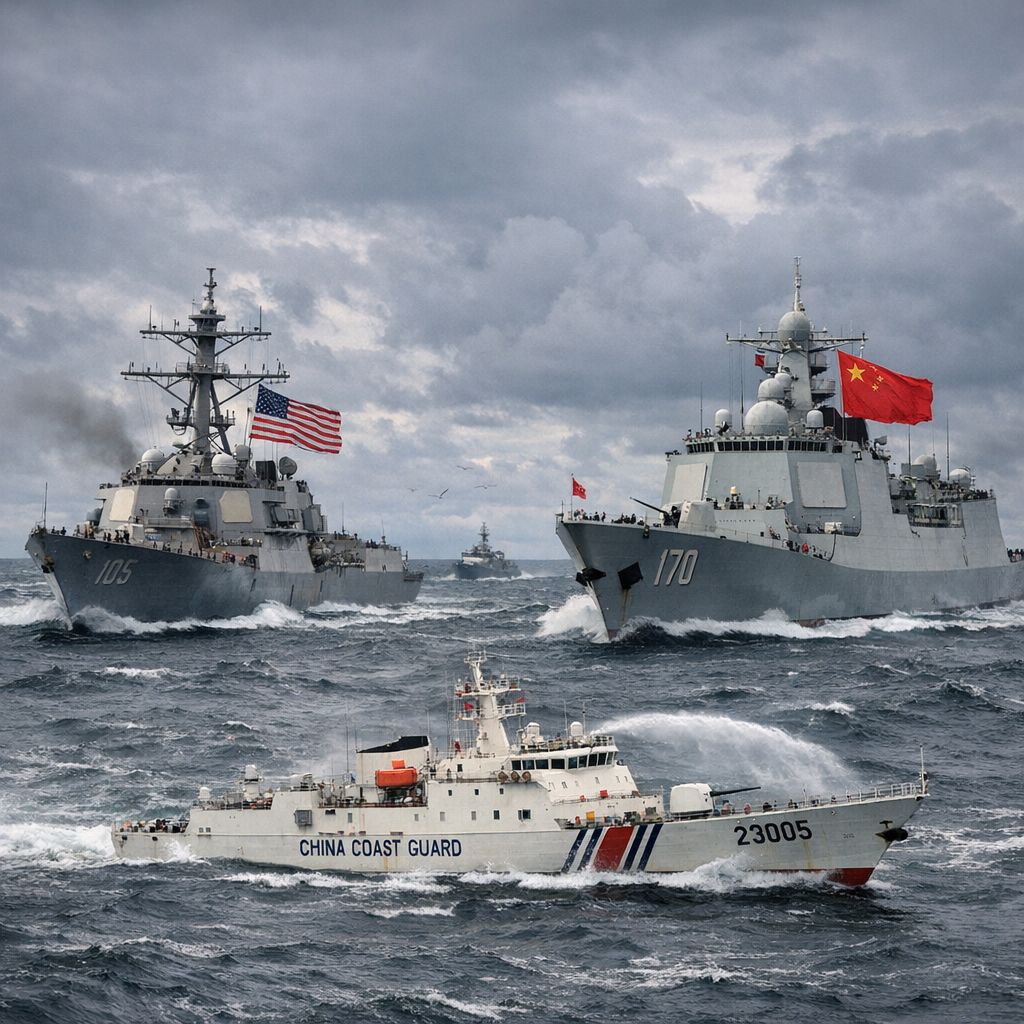
South China Sea: Strategic Competition Below the Threshold
In the contested waters of the South China Sea, tensions are escalating. Countries like China, the Philippines, and Vietnam are increasingly using what analysts call “gray zone” tactics — moves that are coercive and assertive but stop short of open warfare. These include vessel harassment, coast guard standoffs, and maritime boundary disputes. While full military conflict still seems unlikely, experts warn that miscalculations could spark broader incidents. The global trade routes passing through these seas mean what happens there carries economic and security implications worldwide.
Why It Matters Here
Fayetteville is thousands of miles from any disputed sea or frontline, but global trends affect us too. Climate migration can reshape national policies around immigration, trade and aid. Food insecurity abroad can lead to price spikes at home. And increasing geopolitical tensions may affect export markets, shipping routes or the stability of supply chains.
Staying informed about these global dynamics helps us understand the big forces that shape the world we live in. Whether through conversations, vote choices, or community planning, we’re all part of a world that’s growing more closely intertwined.
Your thoughts and questions welcome—feel free to reach out if there’s a global story you’d like me to dig into next.